How High-Risk Merchant Accounts Work
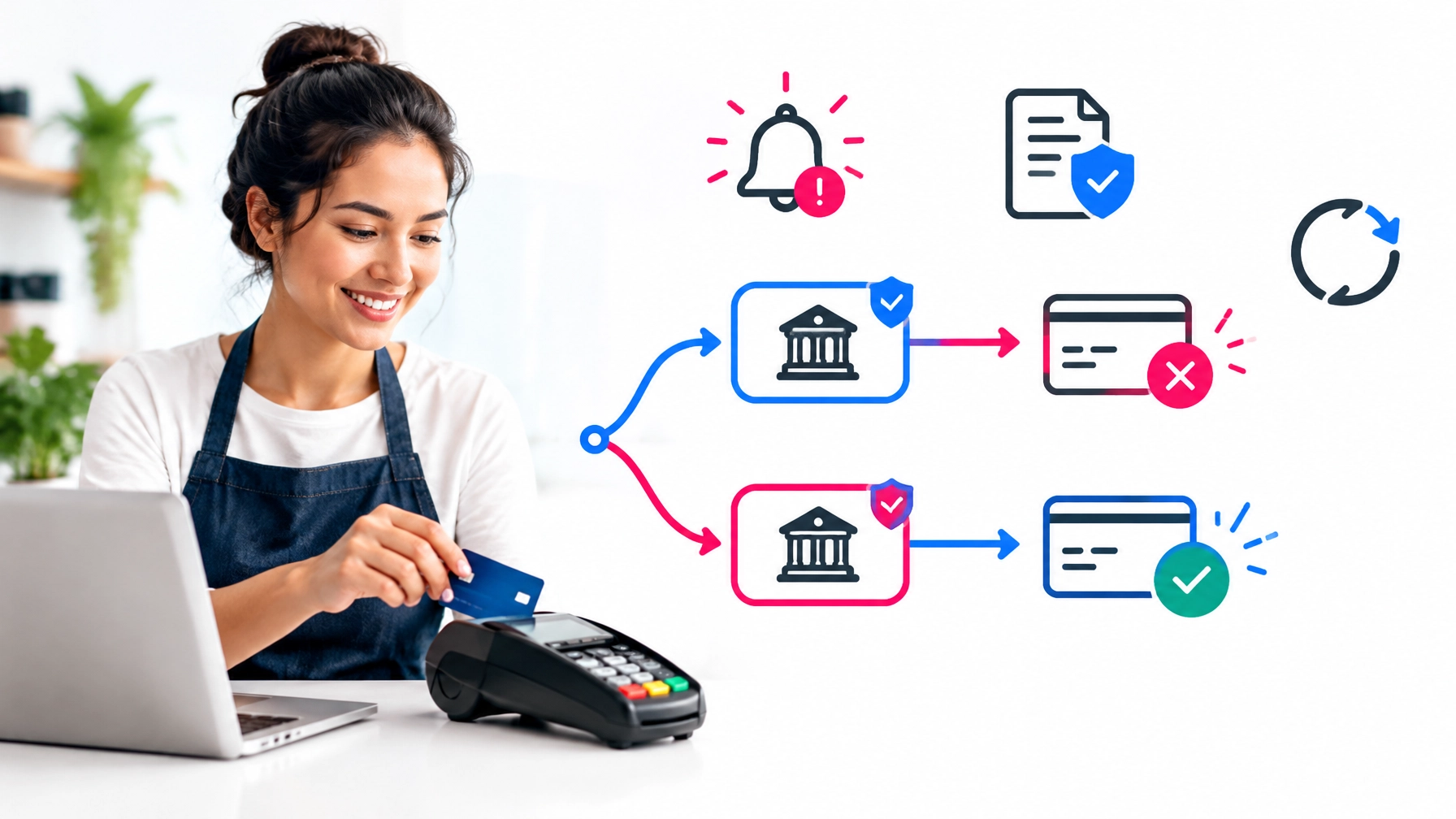
If your business has been told it is “high risk,” it does not mean you cannot accept credit card payments. It means a payment provider or acquiring bank sees factors that may create a higher chance of disputes, refunds, fraud, or unpaid obligations, and may set different approval terms to manage that exposure.
A high-risk merchant account is a merchant account for a business that needs underwriting, pricing, or safeguards tailored to its business model. With the right provider, you can get business payment processing designed for your sales channels, customer experience, and risk profile.
What makes a business high risk?
There is no single list that every provider uses. A business may be classified as high risk because of its industry, payment patterns, sales model, history, or some combination of these factors.
Common considerations include:
- Industry: Some categories (including travel, supplements, gaming, dating, CBD, firearms, and direct selling) may receive additional scrutiny.
- Chargebacks and refunds: A history of disputes, refunds, or fraud can affect an application. Providers may also assess how your business handles customer complaints and cancellations.
- Ticket size and volume: High-value transactions or rapid sales growth can mean greater potential exposure if payments are disputed or refunded.
- Business model: Subscriptions, free trials, recurring billing, advance payments, and long delivery times can create risk when a customer is charged before receiving a product or service.
- Sales channels and geography: Card-not-present sales, international transactions, or complex fulfillment can affect underwriting.
- Business history and documentation: Time in business, financial information, ownership details, and processing history may inform the provider’s decision.
High risk is not a universal verdict. Providers set their own policies, so one may decline a business that another is willing to review.
How approval and underwriting work
Underwriting is the provider’s process for understanding your business and deciding whether, and on what terms, it can support your payments. A bank or payment provider may review details such as:
- Your legal business and ownership information
- The products or services you sell, and how customers buy them
- Your website, checkout, terms, refund policy, and contact information
- Expected monthly volume and average transaction size
- Subscription, fulfillment, and delivery timelines
- Previous processing statements, disputes, and refunds
- Business bank statements and other requested financial documents
The more complete and consistent your application is, the easier it is for an underwriter to understand the business you actually operate.

A straightforward application process
- Describe your business accurately. Explain what you sell, who buys it, and how you deliver it. Disclose recurring billing, trials, and advance sales.
- Provide requested records. Submit clear, current documents and explain any unusual processing history or previous account closures.
- Review the proposed terms. Ask about fees, reserves, transaction or volume limits, settlement timing, and what could trigger a review.
- Keep the provider informed. Tell them about material changes, such as new products, ownership, sales channels, or a significant increase in volume.
Approval is not guaranteed, and terms depend on each provider’s review. An application should match your real business, not an artificially simplified version of it.
What to expect after approval
High-risk payment processing may come with added controls. Ask the provider to explain the terms in writing before you begin processing.
- Rolling reserve: The provider withholds an agreed portion of settlements for a period to cover potential refunds, disputes, or other obligations. The rate, release schedule, and conditions vary. For example, a 10% reserve on $10,000 in eligible sales would temporarily withhold $1,000; that illustration is not a standard rate or offer.
- Volume or transaction limits: An account may have limits on monthly processing, individual transaction size, or changes in volume. Ask how to request an increase as your business grows.
- Higher processing costs: Some providers price high-risk accounts differently to reflect their underwriting and support requirements. Compare the full fee schedule, not just a headline rate.
- Settlement holds or reviews: A provider may review transactions or delay funds under certain circumstances. Understand what the agreement says about holds and communication.
- Account changes or termination: If your business changes, its risk profile shifts, or the provider’s requirements are not met, the account may be reviewed, restricted, or closed.

Before you sign, ask: What percentage may be reserved? When are funds released? Can limits change? What events can trigger a hold or account review? What happens to remaining reserve funds if the account closes?
Reserve terms are set by the provider and agreement; there is no one universal rate or timeline. For general context on acquiring risk controls, see the Office of the Comptroller of the Currency’s merchant processing handbook and Visa’s acceptance risk standards.
Build a strong chargeback prevention plan
A merchant account is only one part of your payments setup. Good operations can help reduce avoidable disputes and make it easier to respond when a customer raises one.
- Use a clear billing descriptor and make it recognizable on card statements.
- Explain pricing, delivery timelines, renewal dates, and cancellation steps before checkout.
- Keep records of order details, customer communications, fulfillment, and refunds.
- Monitor disputes and refund patterns so you can address recurring problems early.
- Use relevant fraud controls, such as address verification or 3-D Secure, where appropriate.
- Respond promptly to customer concerns and dispute notices.
Card networks have monitoring programs for disputes and fraud, but the rules and calculations can change. Avoid treating any particular ratio as a “safe” target: your provider may review your account based on its own policies before a network threshold applies. For current program information, consult Visa’s monitoring-program overview and Mastercard’s merchant rules and compliance information.
How to choose a payment processor for a high-risk business
When you choose a payment processor, focus on fit and clarity, not just whether a provider says “yes.”
Look for a provider that:
- Understands your industry and reviews your actual business model.
- Explains the agreement clearly, including reserves, fees, limits, settlement timing, and review or closure conditions.
- Offers the payment methods and integrations you need for online, in-person, recurring, or invoiced sales.
- Provides meaningful dispute support, such as alerts, help organizing evidence, and guidance through representment.
- Can explain continuity options. If your provider supports load balancing or multiple accounts, ask how routing works and what happens when a transaction is declined. These tools can support resilience, but do not guarantee uninterrupted processing.
- Has responsive support when you need help with an account, a payment, or a dispute.

High-risk payment processing is our specialty
Deposyt says it welcomes 99% of high-risk industries and works with businesses including coaches, travel operators, nutra sellers, gaming and dating businesses, CBD companies, firearms merchants, pawn shops, SaaS providers, AI businesses, and direct sellers. The company also describes its approach as combining multiple banking relationships with chargeback support, load balancing, dunning and retry recovery, dual pricing, and 24/7 live human support.
Every application is subject to underwriting. Approval, pricing, reserves, and account limits depend on your business and the provider’s review. Deposyt has more than 25 years in payments; learn about its high-risk payment processing and available payment solutions.
Want a clear answer for your business? Book a free consultation. Bring your website, processing history, and questions about reserves or limits. Get a candid review of your options before you choose a payment processor.
This article is for educational purposes only and is not legal, financial, or compliance advice. Provider terms and payment network rules can vary and change. Review your merchant agreement and consult qualified professionals about your specific situation.